Case Study
Sofitel Montreal : Lighting in Motion
Where Light Dances with Design
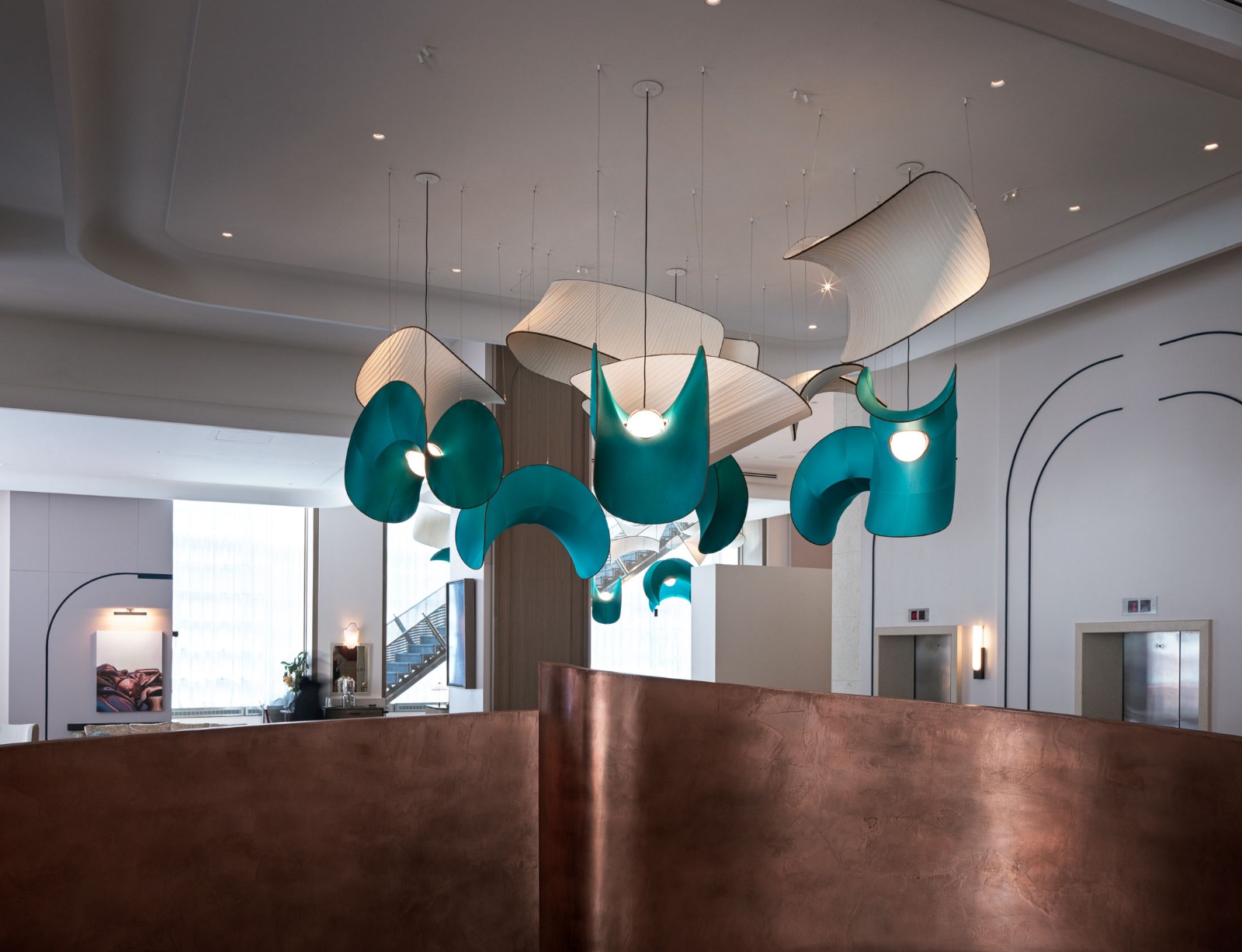
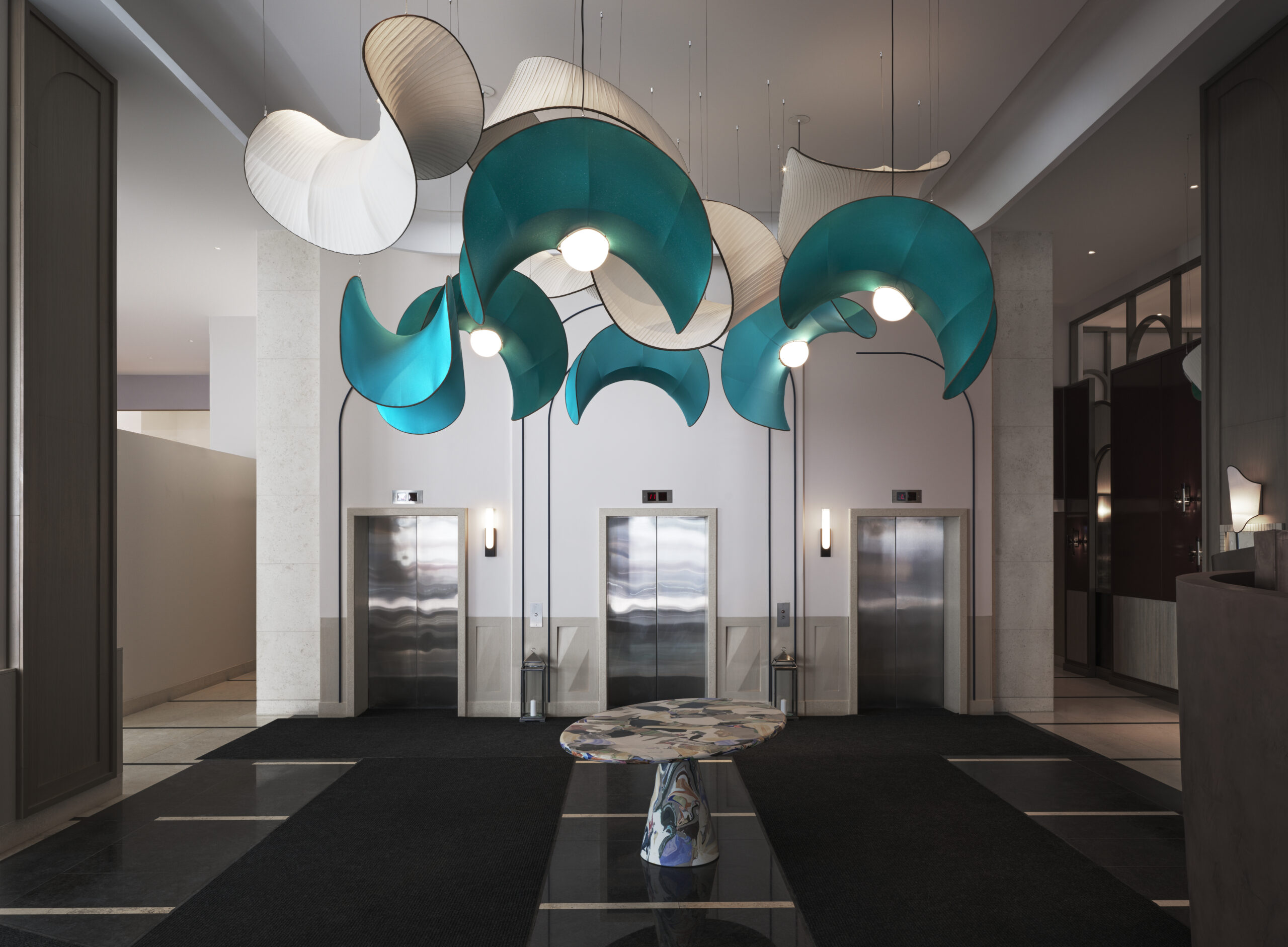
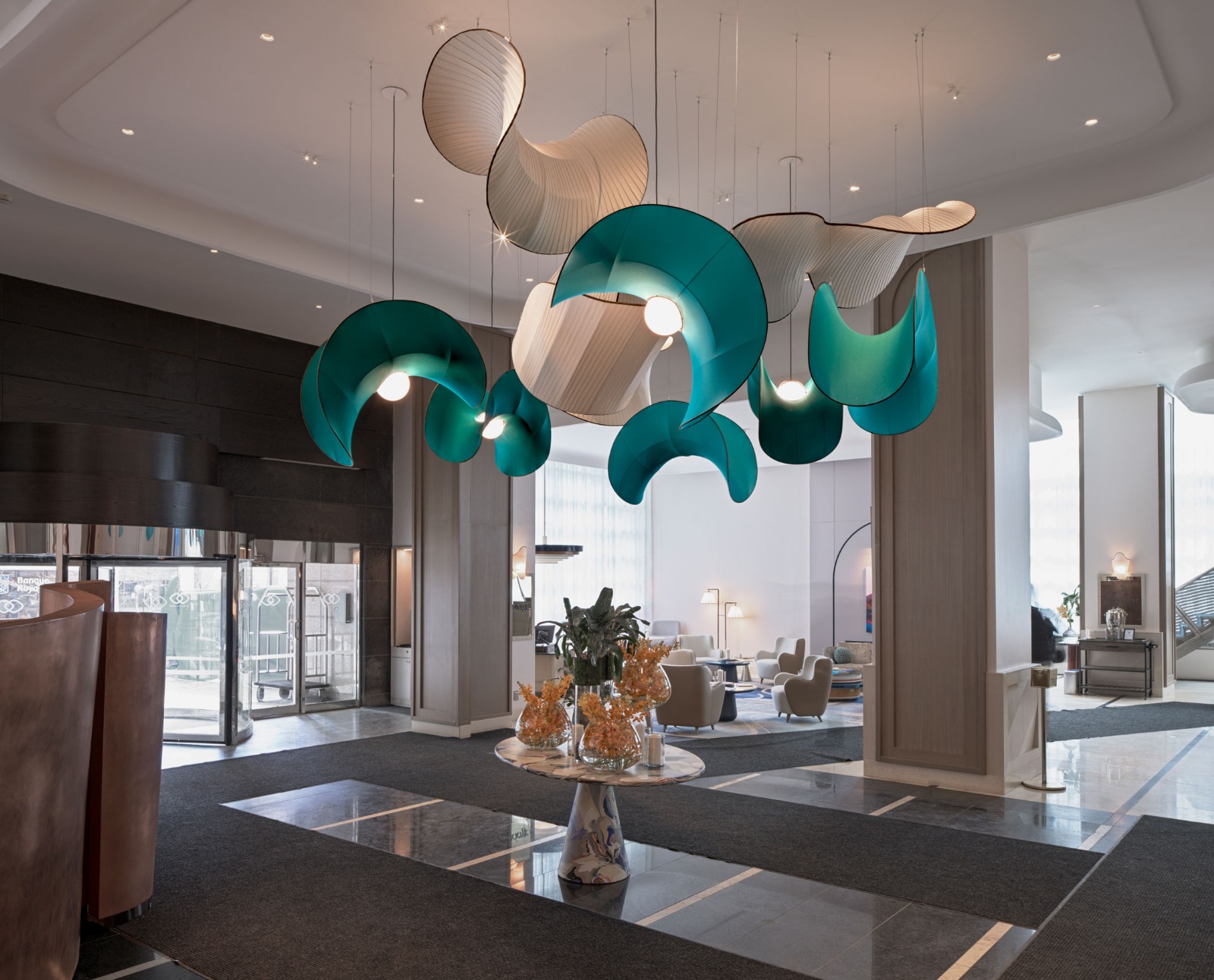
Inspired by French fashion and the poetry of movement, this lighting installation at Sofitel Montreal pays homage to the elegance of pleated skirts mid-twirl and the refined artistry of a classical dining experience. The sculptural forms twist and billow like fabric suspended in motion—structured yet fluid, elegant yet dynamic. Glowing softly from within, each pendant appears weightless, caught in a moment of choreography, frozen in air.
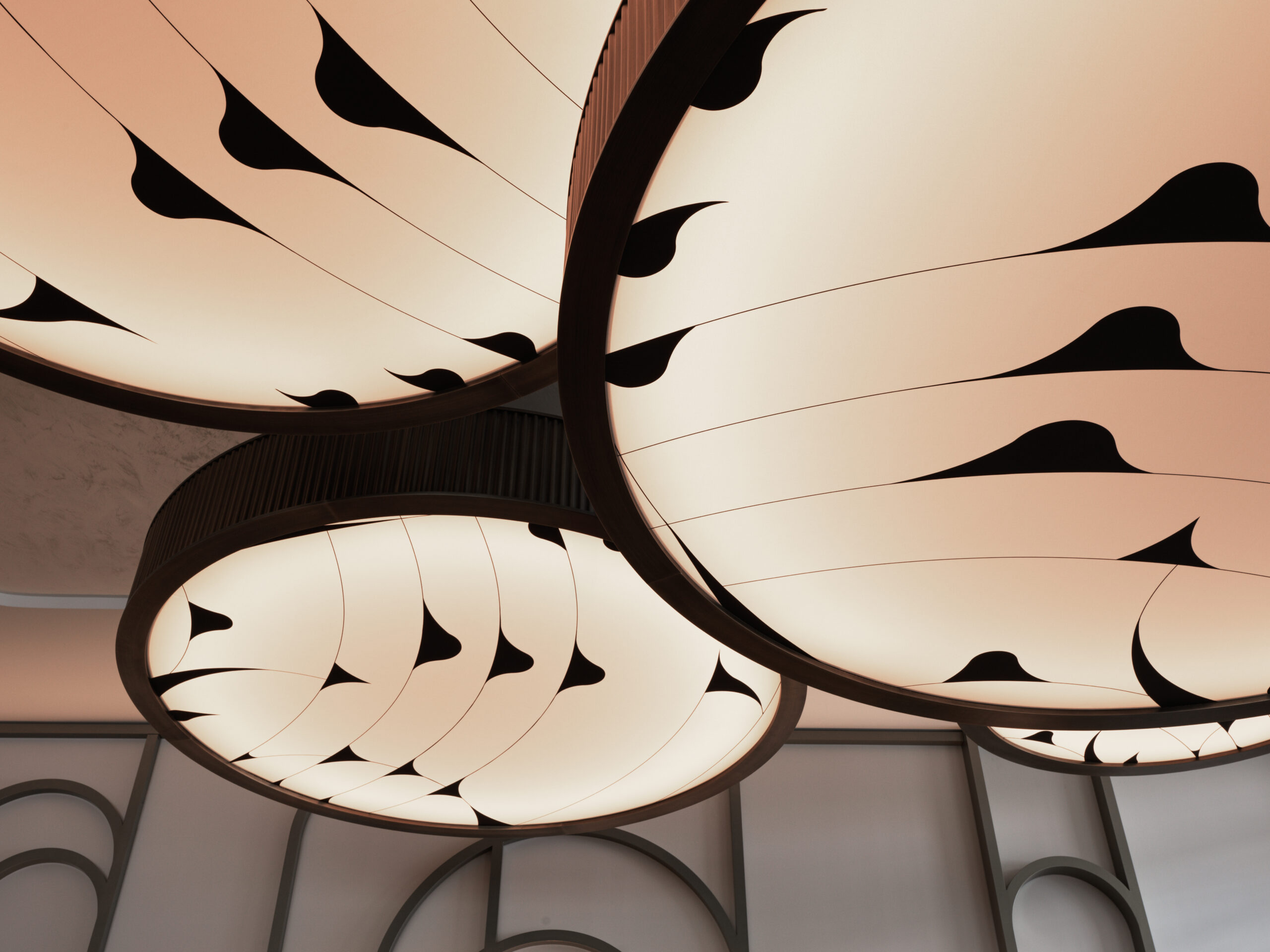
The second design layer draws from French tableware—specifically dish-like forms that nod to the delicacy of porcelain plates. Suspended above, these gently rounded pendants feature graphic detailing that echoes fine craftsmanship and understated luxury. Art and function merge gracefully in this bespoke creation.


Design Intent :
Inspiration: French couture, classical ballet, and elevated table settings
Form & Function: Sculptural lighting pieces that double as kinetic art
Mood: Airy, elegant, and quietly theatrical
Materials: Custom-fabricated lighting components, textile and/or resin-based finishes to simulate movement and delicacy
Challenges :
This project, while rich in creative vision, presented unique production and execution hurdles:
Budget Constraints and Quality Standards:
The original design included a concave, inner-domed structure to mimic a fabric’s fold. Realizing this vision required custom mold production—this is a cost-prohibitive approach.
Material Experimentation:
To stay within budget, a workaround using stretch fabric was explored. While promising in theory, it failed to deliver the desired visual integrity and durability.
Compressed Timeline:
A tight delivery schedule limited the window for prototyping, thorough testing, and quality control. Fixtures needed to be approved and delivered quickly, leaving minimal margin for design iteration.
Communication:
Due to the timeframe and turnaround, it was important for the design, manufacturing, and installation teams to communicate effectively around specific technical requirements, including lighting output and mounting methods.